Is that Really your Wedding Gown in that Box? - Museum Method™ Preservation Allows Inspection
Online, September 1, 2009 (Newswire.com) - Stories of missing or soiled wedding gowns are abundant and have been featured on television shows such as "The View" and more recently written about in "Dear Abby" (Feb 2, 2009.) No doubt this is a very traumatic experience for any bride who spent good money to care for a very treasured, future heirloom.
Wedding gown preservation is a common service offered by many dry-cleaners and gown preservation companies to help protect it from yellowing, oxidation spots or mold and mildew. But unpleasant surprises are bound to arise when the wedding gown is "sealed" as part of this protection. Without the ability to inspect the gown, there is no guarantee that the right gown is in the box; that it has been thoroughly cleaned; and that the preservation method is doing its job.
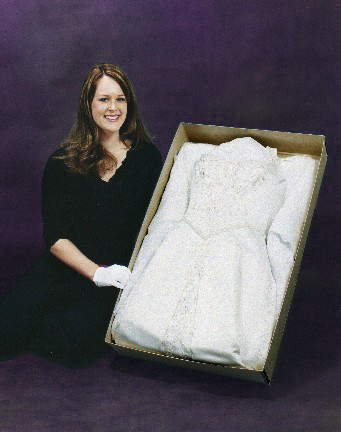
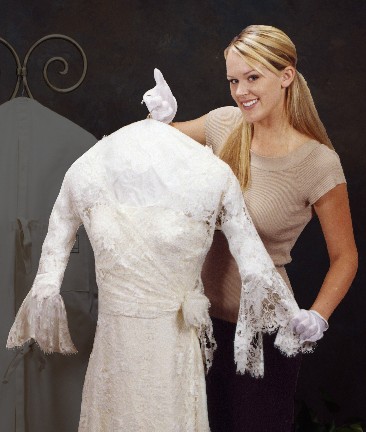
Fortunately, there are now alternatives to "sealing" wedding gowns that follow museum recommendations more closely. "Unsealed," acid-free, boxed, wedding gown preservation and a new hanging (often called "Museum Method™,") preservation provide acid-free environments and access to the wedding gown for necessary inspection.
[url:http://www.heritagegown.com[Museum conservators recommend[/url] keeping heirloom garments clean, cool, dry, and wrinkle free. They do not recommend "sealing" heirloom garments for three reasons:
First, fabric weakens in the same way that paper weakens where it is folded, so that creases from the folds may become permanent. Or worse, the fabric may tear at the weakened creases. This is why the Smithsonian refolds the garments stored in drawers and boxes periodically.
Second, periodic inspection ensures that the garment does not develop permanent damage from oxidizing stains or any other problems. The sooner problems are discovered, the more likely they can be remedied.
Finally, sealing promotes mold and mildew. If the textile can breathe, then the humidity remains constant around the garment. If any moisture were to condense inside a storage container, it would likely develop mildew.
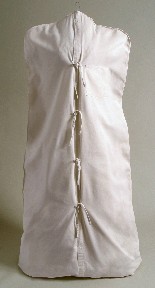
Not only are heirloom gowns in museum collections not sealed, but they are generally not stored in boxes either. Similar to hanging wedding gown preservation, they are usually hung on padded hangers and protected from dust and light with cotton covers.
It is critical that any heirloom or wedding gown cover be made of an acid free fabric. Plastic and vinyl bags from bridal shops or dry-cleaners are not good long term covers as they are made of plastics that produce chemical fumes that can cause yellowing. Cotton bags are perfect as they are naturally acid-free and they also "breathe" protecting the gown from mold and mildew as well.
Besides the improved protection of an unsealed, preserved bridal gown, most women love to see and touch their treasured wedding dress occasionally. Michelle Miller is a bride who felt this way. She states, "I love, love, love, the bag (my gown) is stored in, much better than a cardboard box with a little cellophane window! And I love the fact that every now and then, when my husband is deployed or an anniversary comes up I can see it in it's full grandeur!"
Museum Method™ (hanging) wedding gown preservation preserves gowns better than "sealed" wedding gowns allows easy access as well. And frequent inspection brings peace of mind as another wedding dress becomes the heirloom it was intended it to be.
Share:
Additional Images